A lawyer is an important part of a patient’s healthcare team.
Complementing healthcare with legal care
LegalHealth, a division of NYLAG (New York Legal Assistance Group), provides free legal assistance to New Yorkers who are experiencing serious or chronic health problems and financial hardship. We bring together legal and medical professionals to improve the lives of clients and their families where and when they need it most – in the healthcare setting. LegalHealth also develops policy benefiting those we serve.
(Due to COVID-19, we are temporarily working outside of hospitals. Learn more.)
Social Determinants of Health
Social Determinants of Health are the non-medical circumstances that can directly affect one’s health as well as limit access to quality healthcare. Below are a few:
Income
Lower levels of income are linked to poorer health. We address legal issues that can improve a client’s income and increase access to affordable healthcare.
RACISM
Due to unjust laws and policies, both past and present, people of color disproportionally lack access to safe housing, employment, food, education, and healthcare. Furthermore, the trauma that people of color experience because of institutional racism and individual discrimination greatly impact one’s physical and mental health, including higher mortality rates. Racial disparities in health continues to be an urgent issue as the impact of the COVID-19 pandemic has had the most severe health and social consequences in communities of color.
HOME CARE
We assist vulnerable clients with accessing home care services so they can remain in their homes longer, in a safe environment, while getting the regular care they need.
Housing
Without secure, quality housing, the risk of illness skyrockets. That’s why we work with clients to maintain their housing and ensure that it is safe.
Immigration
We work with immigrants to find a pathway to legal immigration status so they can access affordable healthcare coverage and lifesaving treatments.
INSURANCE
Access to healthcare coverage can drastically improve a person’s life and has been shown to lead to better management of chronic health conditions and longer life expectancy. That is why our work helping clients with health insurance is so important.
We solve patients’ legal needs by addressing their social determinants of health while in a healthcare setting.
FIND US IN YOUR HOSPITAL
OUR REACH
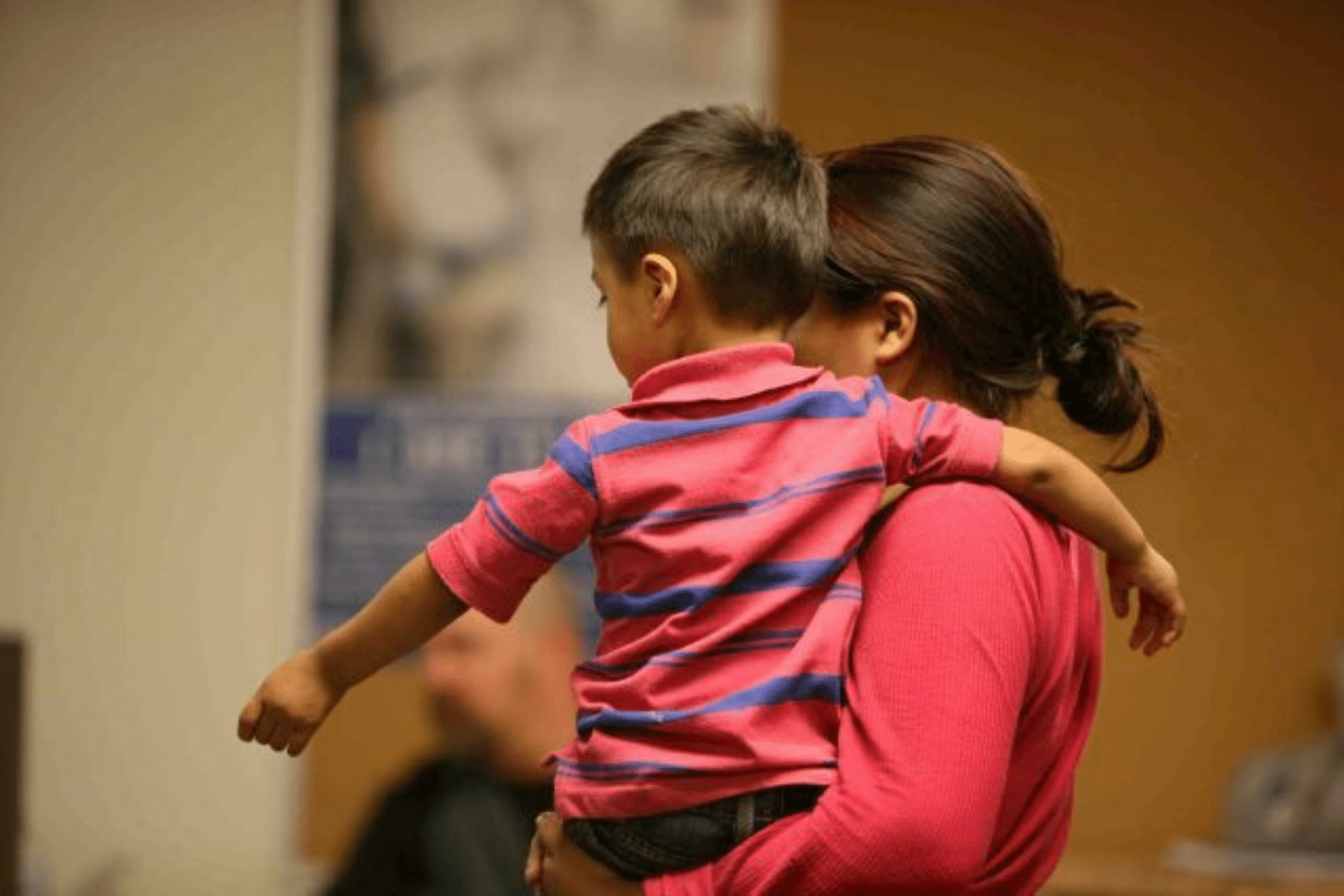
We expanded the law to include those who work or volunteer in a healthcare facility–or who reasonably believes that they may otherwise be exposed to COVID-19–to designate a standby guardian for their child(ren).
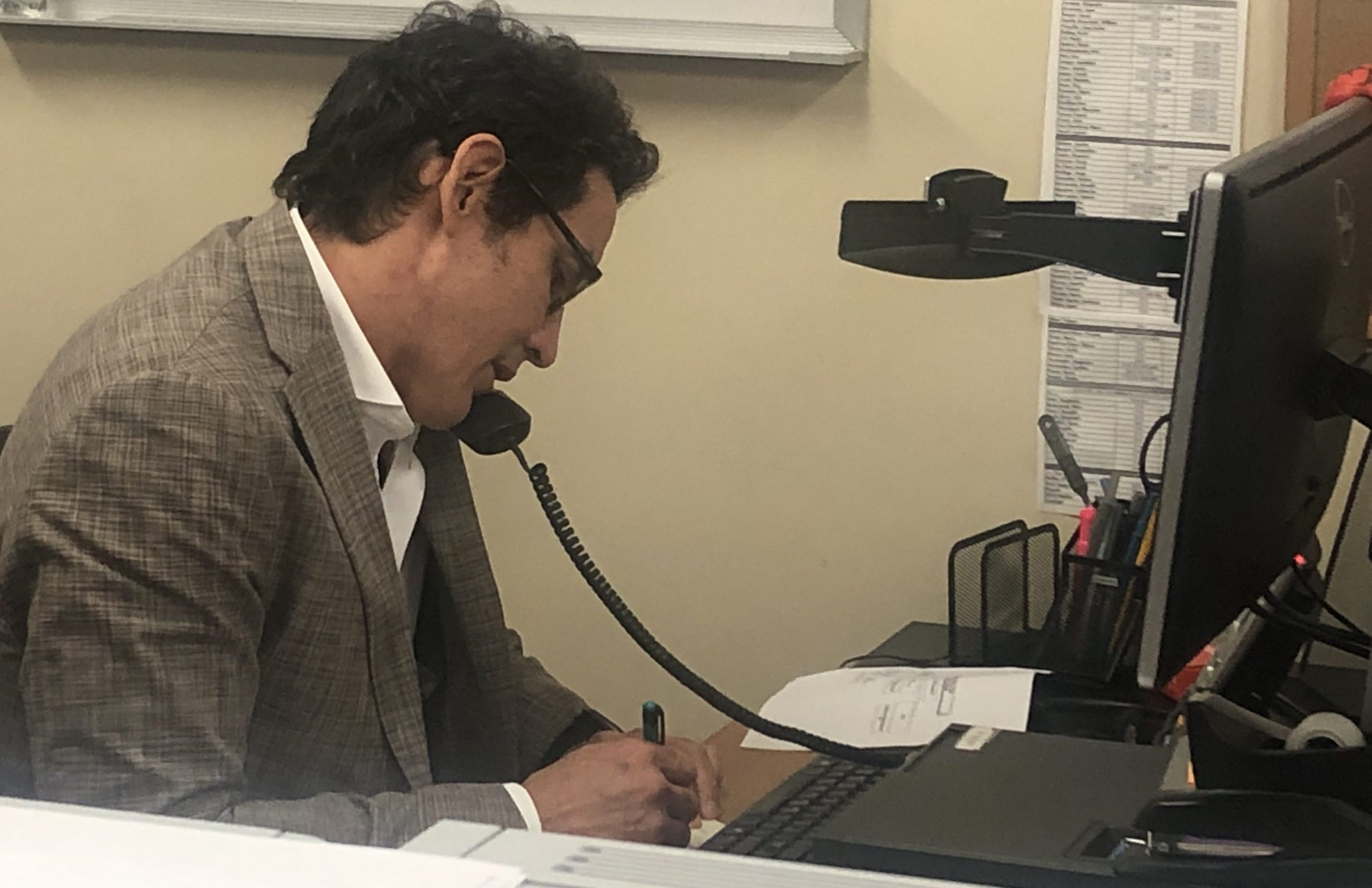
NYLAG’s LegalHealth Division is temporarily operating outside of our 36 hospitals and medical facility partner sites. We are currently accepting direct referrals of patients with pressing legal needs.
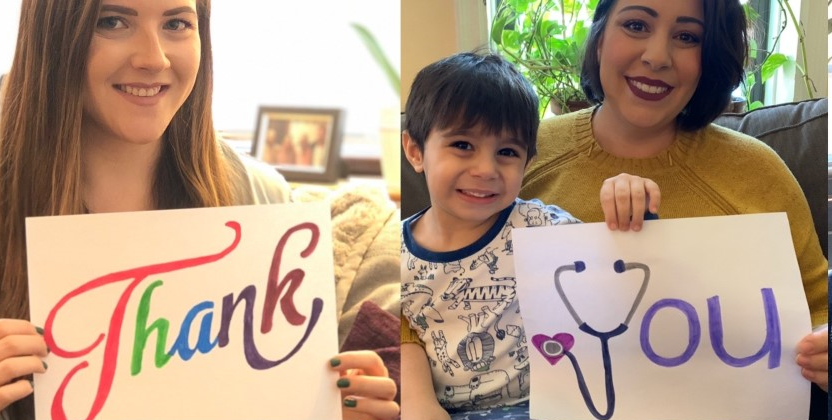
Right now, our partners are on the frontlines battling COVID-19. As attorneys and paralegals who normally work on site at some of the hardest hit hospitals, we are deeply grateful to them for keeping all of New York safer during this crisis.